VIDEO REPORTAGE. Part and parcel of diaspora life


1,640 miles. That’s what separates Andrei, a young immigrant in Coventry, UK, from his mother’s home in Brusturi, Neamț County. And yet all those miles melt away in an instant.
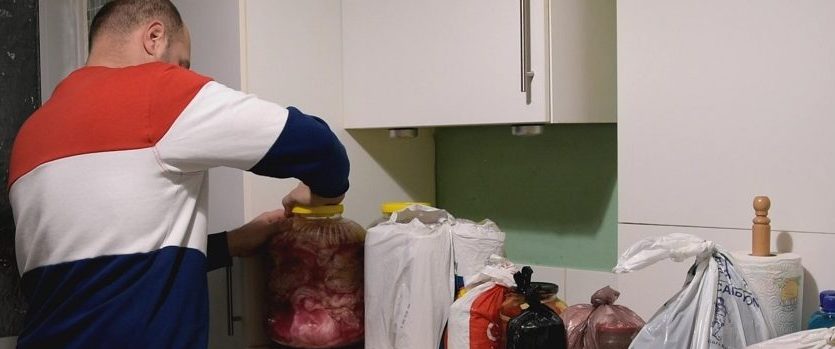
That’s what happens when Andrei goes inside his red brick house in a typical British suburb, opens rows of bags, and tastes plăcinte made by his mother in Romania.
They were just delivered to him in a parcel that passed through nine countries on its way to him. His mother also put in pickles, cheese, home-made wine and surgical spirit, which he can never find in British pharmacies.
All these typically Romanian items were transported along motorways, skirting around the major European capitals, with brief stops at service stations, and were shipped across the English Channel before eventually reaching Andrei’s table in Coventry.
Andrei is just one of tens of thousands of overseas Romanians who receive parcels from back home. The “Plăcintă Road” is very much a thing. It stretches all the way from Romania to the countries where Romanians work, especially during the festive season.
The van drivers who make these mercy dashes know the routes like the back of their hand. They stand by as elderly folk living alone in villages carefully wrap up the tastiest titbits in their kitchens, and are asked to pass on a message to the children: don’t worry, we’re fine. At journey’s end, they see the tired faces of Romanians who work 12-hour shifts light up when they rummage through their parcel and find an apple picked from the tree back home.
We travelled with a parcel sent at Christmas from a village in Romania’s Moldova region to the UK and learned that it was so much more than a bag taken from A to B. It was a gesture of affection that keeps alive a connection with the old country.
The English version of this article and the English subtitles of the video are available thanks to Peter Shortall.